
From basic screenings to a more complete understanding
Historically, potential to drive assessments were largely based on the expectations placed on already licensed drivers.
Assessment focused primarily on physical control of the vehicle and the ability to follow simple instructions. There was far less understanding of how factors such as cognitive processing, sensory differences, developmental skills and individual learning styles could influence driving performance.
As a result, these early approaches provided only a limited picture of how someone might perform behind the wheel in real-world driving situations.
As more young people with disability began seeking support to learn to drive—particularly those who are autistic or have other neurodevelopmental conditions—it became increasingly clear that a more comprehensive and relevant approach was needed.
A shift towards evidence-based, person-centred practice
Our understanding of neurodivergence and neurodevelopmental disability has grown significantly over recent years.
Research has helped identify which areas of function are truly important for driving, rather than simply comparing individuals against what is considered typical for their age.
The adoption of recognised occupational therapy frameworks, including the Model of Human Occupation (MOHO) and the Michon Model of Driving Behaviour, which support a top-down approach to understanding driving performance and identifying where intervention can improve outcomes.
Today, potential to drive assessments are designed to understand the individual as a whole, not simply whether they can currently drive.
What do today's potential to drive assessments evaluate?
Modern assessments combine clinical evaluation, functional observation and evidence-based assessment tools to develop a comprehensive understanding of driving potential.
Areas commonly explored include:
Motor and sensory capabilities
Assessing movement, coordination, strength and sensation required to safely operate a vehicle.
Reaction speed
Understanding how quickly someone can process information and respond to unexpected events while driving.
Vision
Reviewing visual acuity, visual fields and eye movements in relation to Australian medical fitness to drive standards.
Foundational pre-driving skills
Assessing life skills that contribute to successful learner driver development and long-term independence.
Family and guardian support
Understanding how parents, carers or other informal supports can assist with supervised driving practice and whether additional education may be beneficial.
Current driving experience
For individuals who have already begun learning to drive, reviewing existing strengths, challenges and road law knowledge helps build a clearer picture of current performance.
Communication and learning
Understanding how someone communicates most effectively and how they best understand and retain new information.
Cognitive function
Assessing executive functioning, visual-motor integration, planning, problem solving and motor proficiency using standardised assessments.
Sensory processing
Understanding how visual, auditory, vestibular, proprioceptive and tactile information is processed, and how this may influence driving performance.
Psychosocial factors
Considering the impact of anxiety, emotional wellbeing, fatigue, sleep and other factors that may influence safe driving.
Passenger activities
Observing driving-related tasks while travelling as a passenger to gain further insight into cognitive processing, hazard awareness and decision-making.
Driving trial
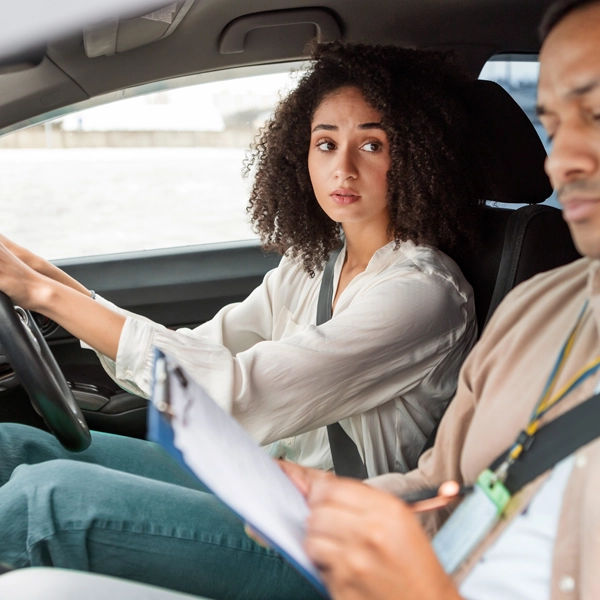
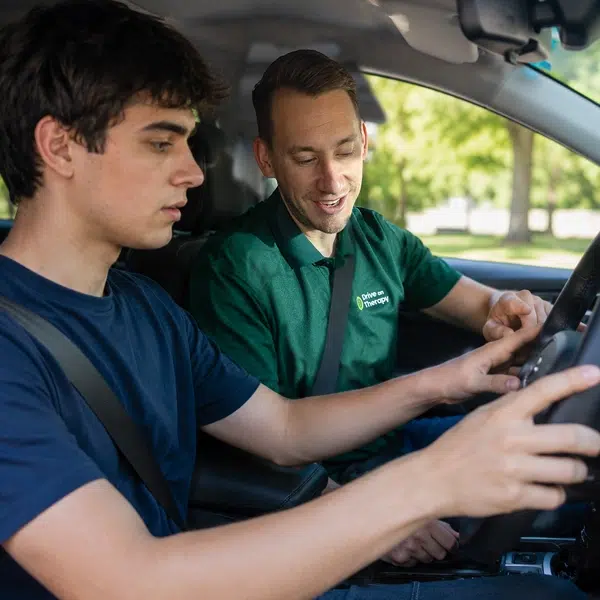
Where appropriate, completing a simplified on-road driving trial to better understand practical skills such as vehicle control, reaction speed, comprehension and overall driving performance.
Together, these areas provide a much more complete understanding of an individual’s driving potential and where intervention can have the greatest impact.
Better recommendations, better outcomes
Modern Potential to Drive Assessments allow us to provide far more meaningful recommendations than a simple “yes” or “no.”
Instead, we can identify:
- Individual strengths
- areas requiring further development
- whether now is the right time to begin learning to drive
- strategies that may improve driving readiness
- opportunities for occupational therapy intervention
- recommendations for future reassessment where appropriate.
This person-centred approach helps individuals and families understand not only where they are today, but also what steps may help them achieve their driving goals in the future.
Looking to the future
Potential to drive assessments will continue to evolve alongside research, technology and our understanding of disability.
Future evidence will help establish even clearer assessment benchmarks and clinical indicators to guide recommendations and improve consistency across the profession.
At Drive On Therapy, potential to drive assessments are a special area of interest. We are committed to remaining at the forefront of emerging evidence and best practice so we can continue supporting aspiring drivers with neurodivergent and neurodevelopmental disabilities, together with their families and support networks.
Ready to explore your driving potential?
Whether you're considering learning to drive for the first time, supporting a family member, or looking for professional guidance about driving readiness, we're here to help.