Why driving matters as we age
Driving is more than transportation. For many older adults, it provides essential access to family and friends, necessary services such as shopping and medical appointments, and broader community participation. These activities are strongly linked to well-being, purpose and living independently in your own home.
Conversely, when driving stops unexpectedly or without planning, it can have a negative impact on health outcomes. With Australia’s ageing population projected to reach 22 percent of people over 65 by 2057, supporting safe mobility is more important than ever.
Age-related changes that may affect driving
As we grow older, certain functional changes naturally become more relevant to driving.
These may include:
- reduced vision
- slower reaction times
- changes in attention and memory
- hearing loss
- reduced mobility or coordination.
Some medical conditions also become more common with age and medication side effects can increase in complexity. These factors may influence how safely someone can drive.
Understanding safety and risk on the road
There can be a wide range of perspectives about older adults and road safety. Experience alone does not always guarantee safety, and skills can change slowly over time. Many older adults naturally adjust by driving shorter distances or choosing familiar locations such as the local shops or chemist.
Research suggests that crash statistics are higher per kilometre driven in older adults, and hospital admissions indicate that injuries can be more severe in this age group. This does not mean older adults cannot be safe drivers – but it highlights the value of regular assessment, skill review and proactive planning.
Staying safe and confident on the road
Many individuals continue to drive safely well into their later years. Refresher programs delivered by a driver trained occupational therapist or an experienced rehabilitation driving instructor can help maintain safe driving habits and confidence.
These programs can support older adults to:
- update their knowledge of road rules
- improve driving habits
- address changes in physical or cognitive function
- build awareness of risks and strengthen decision-making
Evidence shows that tailored, on-road programs can significantly reduce hazardous driving events.
The role of an occupational therapy driving assessment
An occupational therapy driving assessment provides a comprehensive and evidence-based evaluation of whether a medical condition or functional change is affecting driving safety.
The assessment includes two components:
Off-road assessment
This evaluates movement, strength, sensation, coordination, vision, reaction time and cognitive function comparative to age and other drivers.
On-road assessment
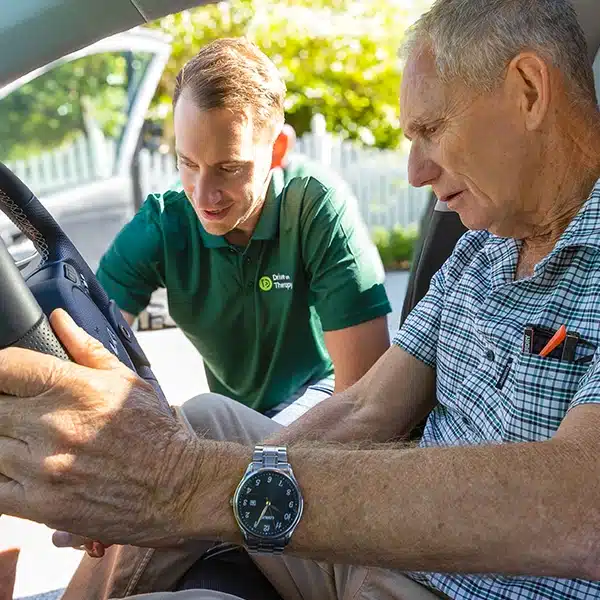
Conducted in a dual-controlled vehicle with a licensed driving instructor, this assesses real-world driving performance and the ability to meet licensing requirements.
The outcome helps determine whether:
- continuing to drive is safe
- a refresher program is recommended
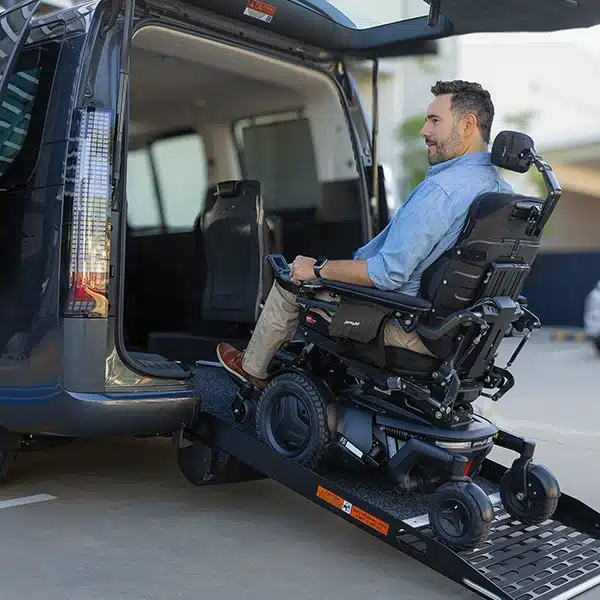
- vehicle modifications may help
- or whether it may be time to consider driving retirement.
Planning ahead: preparing for driving retirement
Eventually, not driving is something we all face. Planning ahead ensures the transition is not abrupt or isolating.
In Western Australia, several supports can help older adults maintain mobility, including:
- Passenger Transport Subsidy Scheme for reduced-fare taxis
- Support at Home Program through My Aged Care for help with medical appointments, shopping and social activities
- Accessible public transport included buses and train
- Community transport initiatives through local councils and disability organisations
These alternatives help reduce the impact of driving retirement and support ongoing independence and community participation.
Empowering older drivers to make informed decisions
Initiating conversations early and providing access to appropriate assessments and supports allows older adults to remain safe on the road for as long as possible, and to prepare for driving retirement on their own terms.
These decisions are most effective when they are collaborative, respectful and focused on maintaining independence and quality of life.
Ready to explore your next step with confidence?
If you’re thinking about your driving future and want clarity, support or a professional assessment, we’re here to help you stay informed, safe and independent.