Why might someone need a driving assessment?
People may be referred for a Fitness to Drive Assessment when there are concerns about how a medical condition or functional change could impact driving safety.
Common reasons include:
- Neurological conditions such as stroke, brain injury, Parkinson’s disease, cognitive impairment or dementia
- physical injuries or disabilities affecting movement, sensation or coordination
- age-related changes in reaction time, vision or thinking skills
- medical conditions such as epilepsy, diabetes or cardiac conditions
- concerns raised by family, GPs or licensing authorities
- returning to driving after illness or injury
The goal is not to “take driving away,” but to support safe driving and maintain independence wherever possible.
What does the assessment involve?
A Fitness to Drive Assessment is completed by a certified Driver Trained Occupational Therapist (DTOT) in collaboration with a Driving Instructor. It includes two components.
1. Off-road assessment (clinic-based)
The assessment begins with a discussion about your medical history, driving experience and any concerns raised by you, your family or your healthcare team.
Your DTOT will then assess key skills required for safe driving, including:

- Vision and perception
- attention and concentration
- memory and problem solving
- understanding of road rules
- reaction time
- physical function including movement, strength, sensation and coordination
2. On-road assessment (practical-based)
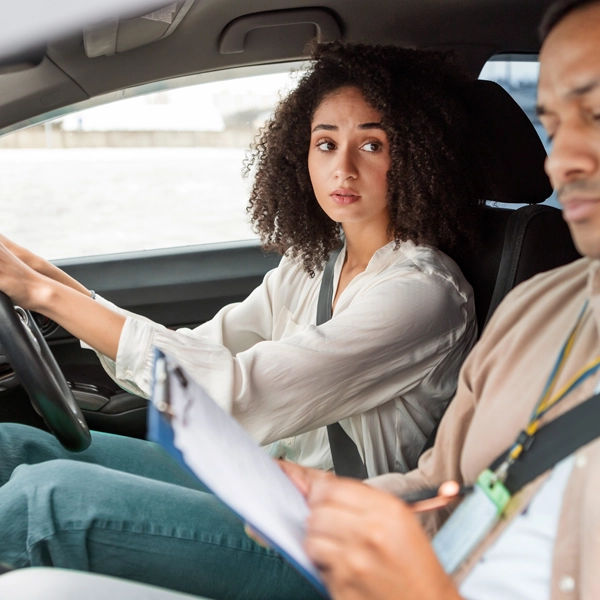
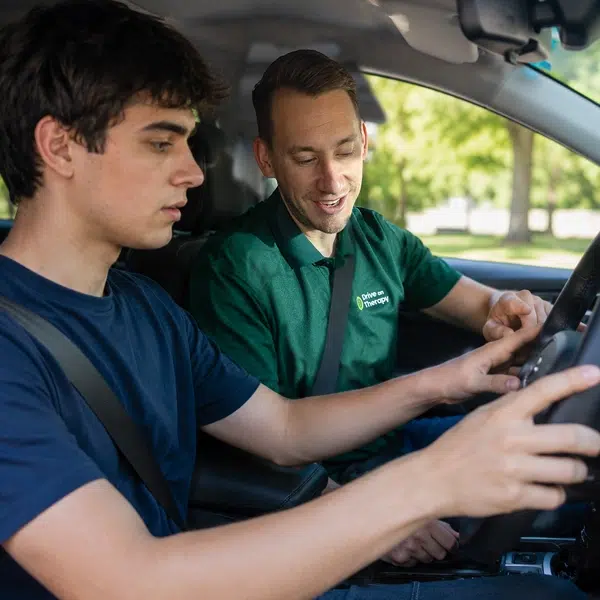
You will then complete a practical driving assessment in one of our dual-controlled vehicles, accompanied by your DTOT and a qualified Driving Instructor.
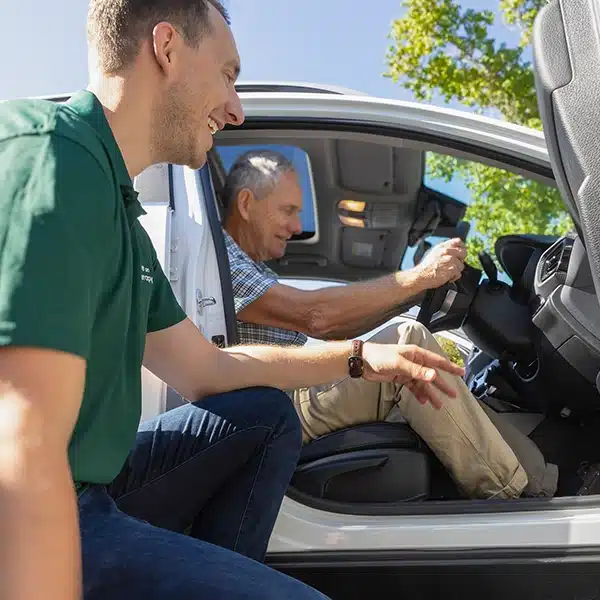
Our vehicles are available in both automatic and manual. Please let us know which type you usually drive beforehand so we can book the appropriate vehicle. We also have modified vehicles available for people who drive using hand controls or other driving aids.
To help you feel comfortable, the assessment begins in a quiet car park so you can familiarise yourself with the vehicle before driving on the road.
The assessment follows a standard route that includes a variety of driving environments such as:

- Single and dual lane roads
- roundabouts and traffic lights
- intersections including T junctions and 4-way junctions
- car parks and other built-up environments
During the drive:

- the Driving Instructor provides clear directions, so you do not need to worry about navigation
- you are encouraged to drive as you normally would
- your DTOT may provide guidance or feedback if needed
Your Occupational Therapist will assess:
- road awareness and hazard perception
- decision making and judgement
- vehicle control and positioning
- ability to follow road rules
- whether your medical condition is impacting driving safety
This process is designed to reflect your everyday driving in a safe and supportive environment.
What are the possible outcomes?
Following the assessment, your DTOT will make recommendations based on your overall safety and driving performance.
Possible outcomes may include:
- fit to drive without restrictions
- fit to drive with conditions (such as daylight driving only, glasses, or other medical management requirements)
- further rehabilitation or driver training recommended
- vehicle modifications required, such as hand controls or spinner knobs
- not fit to drive
If you are assessed as not fit to drive, you will be advised to stop driving from the date of the assessment. Continuing to drive after this point may place your safety at risk and could impact insurance coverage.
What happens after the assessment?
A comprehensive report is completed following the assessment. This includes:
- results from the off-road and on-road components
- a detailed summary of your driving performance
- recommendations regarding fitness to drive
The report is typically provided to:
- you (or your nominated representative)
- your referring GP or specialist
- the Department of Transport
If driving is no longer recommended, your DTOT can also support you with alternative transport planning and strategies to maintain community access and independence.
You may also be required to see your treating doctor to complete a Department of Transport Medical Assessment Certificate (M107A) following the assessment. Your Occupational Therapist will advise if this is necessary.
How to prepare for your assessment
There is no need to study or practise unfamiliar skills before your assessment. The assessment focuses on your usual driving ability.
Some people choose to complete a refresher lesson with a Driving Instructor beforehand, although this is not required.
What to bring
- your driver’s licence (current or expired)
- glasses or hearing aids if you use them
- comfortable clothing and appropriate footwear
- a list of medications
- relevant medical reports or referral letters
On the day
- be well rested
- take medications as prescribed
- eat beforehand and stay hydrated
- bring any questions you may have
It is completely normal to feel nervous. The assessment is designed to help you perform at your best in a supportive and non-intimidating environment.
How to get referred
Referrals may come from:
- General Practitioners (GPs)
- medical specialists allied health professionals
- the Department of Transport
- self-referral
To make a referral:
- ask your healthcare provider to complete a referral
- or contact our team directly by phone or email
We will also attempt to contact you after receiving your referral to discuss the next steps.
Supporting safe and independent driving
A Fitness to Drive Assessment is about more than driving. It is about safety, confidence and maintaining independence wherever possible.
If you or someone close to you has concerns about driving, seeking guidance early can make a significant difference. With the right support, many people are able to continue driving safely and confidently.
Looking for a Fitness to Drive Assessment?
Our Driver Trained Occupational Therapists provide comprehensive, evidence-based driving assessments tailored to your needs, goals and medical situation.